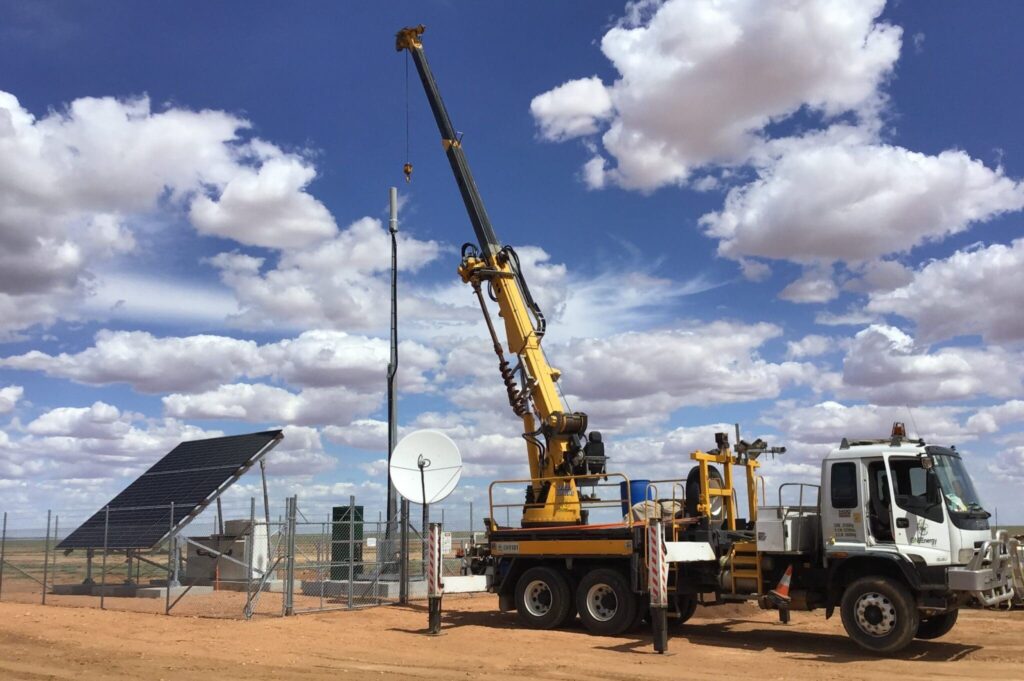

How Much Does It Cost for a Private Power Pole Installation?
Private power pole installation cost in QLD typically ranges between $2,500 and $10,000+, depending on materials, labour, and site conditions.
Oct 6 2025
Oct 6 2025
Read More
 Jan 5 2026
Construction sites are dynamic environments where soil is exposed, disturbed and reshaped daily. Without the right erosion control solutions, even a small amount of heavy rain, wind or water runoff can cause soil movement that affects project stability, damages infrastructure, and leads to expensive delays. Effective erosion control is essential for protecting workers, maintaining site integrity and preventing costly disruptions.
As a leading provider of civil, electrical and telecommunication infrastructure throughout Queensland, GNB Energy understands the conditions where construction sites are most vulnerable and the importance of implementing cost-effective, practical measures that prevent erosion, maintain water quality and reduce environmental risks.
By applying proven erosion control methods, modern materials and site-specific planning, contractors can reduce sediment movement, protect the soil surface, and ensure long-term project success. This guide explores the best ways to control erosion and safeguard development sites through the right mix of planning, products and expertise.
Before selecting the best erosion control method, the first step is understanding what erosion control is and how soil moves during construction. Erosion occurs when soil particles are displaced by forces such as rainfall, wind, gravity or concentrated water flow. In open and disturbed areas, the soil becomes highly sensitive to movement, particularly on steep slopes or bare soil where there is no vegetation, cover or protection.
Left unmanaged, erosion can lead to widespread soil loss, sediment pollution of water bodies, clogged drainage channels, and impacts on downstream ecosystems. The consequences are not just environmental – contractors may face compliance breaches, rectification costs, reputational damage and delays to the overall project. Even one storm event can undo weeks of progress.
This is why managing erosion proactively is essential. By applying effective erosion control measures, contractors can protect foundations, maintain a stable soil surface, and ensure that regulatory and environmental responsibilities are met. Proactive planning helps reduce risks, improve environmental sustainability and support safe and efficient construction outcomes.
There are several reliable erosion control methods used across Queensland construction sites, each designed to address different site conditions, soil types and levels of erosive force.
Silt fences are temporary barriers constructed using geotextile fabric. Installed along the downslope of large areas or areas prone to runoff, they trap sediment and reduce the movement of soil particles during rain events. They are especially effective around access points and perimeter boundaries where runoff collects.
Erosion control blankets stabilise the soil surface, encourage vegetation growth, and reduce the impact of raindrop impact on exposed soil. Made from materials such as straw, jute or coir logs, these blankets prevent soil erosion on steep slopes, embankments and drains, supporting both short-term stability and long-term revegetation.
Sediment basins provide a controlled area for water to settle, allowing sediment to drop out before the water is discharged. Determining what is the best method for erosion control can be difficult because every site has different soil types, slopes and drainage behaviours. When methods are combined, they deliver stronger, more predictable results across changing weather and site conditions.
They help protect surrounding waterways, improve water quality, and reduce environmental damage. When designed correctly, they offer a cost-effective and highly effective erosion control option for development sites.
“Choosing the best erosion control method depends on site gradients, soil type, drainage requirements and construction timelines. Every method has a specific purpose, and using them in combination ensures better results across complex sites.” – says Greg Byrnes – Managing Director
Beyond traditional techniques, modern materials and technologies have expanded the range of erosion control solutions available to Queensland contractors.
Chemical or organic soil stabilisation products bind soil particles together, creating a hardened soil surface that is resistant to erosive forces. These are ideal for extreme conditions, haul roads, temporary work platforms and high-traffic access point areas.
Establishing vegetation is one of the most natural and long-lasting ways to prevent soil erosion. Plants, young trees and groundcovers anchor soil through their plant roots, increase organic matter, suppress weeds, and improve environmental sustainability. Vegetation works well in combination with mulch, cover crops and erosion control products that help stabilise soil while growth becomes established.
Geotextiles, erosion mats, cellular confinement systems and other materials offer engineered support for slopes and drainage lines. These eco-friendly options allow contractors to control erosion efficiently while supporting natural infiltration and reducing sediment flow.
Describe a recent GNB Energy project where erosion risks were mitigated using a combination of stabilisation, drainage and vegetation planning.
A strong plan begins with understanding site-specific risks. This involves assessing soil type, slope, expected water flow, access routes, and areas prone to disturbance. Once risks are identified, contractors can select the erosion control solutions that best suit the environment and long-term objectives.
Designing a plan may include a mix of control solutions – such as silt fences, coir logs, stabilisers, vegetation and erosion control blankets – to provide multiple layers of protection. Successful implementation requires correct installation, ongoing monitoring and adjustments throughout the process.
For long-term outcomes, contractors should consider permanent solutions that ensure long-term success, promote vegetation growth and reduce reliance on temporary controls.
“Effective erosion planning is about prevention, not reaction. Early assessment and continuous monitoring allow contractors to reduce erosion, maintain compliance, and protect the integrity of critical infrastructure.” – says Greg Byrnes – Managing Director
In Queensland, erosion and sediment control is regulated through local, state and national frameworks. Construction projects must follow environmental guidelines to prevent sediment discharge, protect waterways, and reduce impacts on surrounding land and ecosystems. Poor erosion control can lead to fines, stop-work notices and costly rectification works.
GNB Energy adopts a responsible approach to environmental management by integrating environmental sustainability practices into all stages of project delivery. From using eco-friendly materials to designing stabilised drainage solutions, GNB ensures that every project meets regulatory expectations while minimising environmental damage.
Effective erosion management protects your site, safeguards the environment and keeps your project moving. With the right mix of planning, materials and expert guidance, erosion risks can be significantly reduced. Contact GNB Energy for tailored advice, site assessments and professional solutions to help protect your next project.





Civil Contractor’s, Property Developers and Government entities use GNB Energy’s services to grow. For a hassle-free quote give us a call today.